Beating the Pump: Practical Ways to Slash Your Motoring Costs
With oil prices driving fuel costs back towards record highs, the squeeze on the UK motorist is feeling tighter than ever. Whether you are commuting daily, running the kids to school, or just managing the weekend errands, filling up has become a painfully expensive necessity.
While we can’t control global oil markets, we can absolutely control how we consume fuel and maintain our vehicles. By making a few practical, everyday changes to our driving habits and leveraging smart technology, it is possible to drastically reduce the cost of motoring. Here are the most effective ways to keep your hard-earned money in your pocket.
1. Let AI Do the Heavy Lifting with FuelOps
It’s a common misconception that simply hunting down the cheapest local petrol station is the best way to save money. The reality is that driving miles out of your way to save a penny per litre often burns more fuel than it saves.
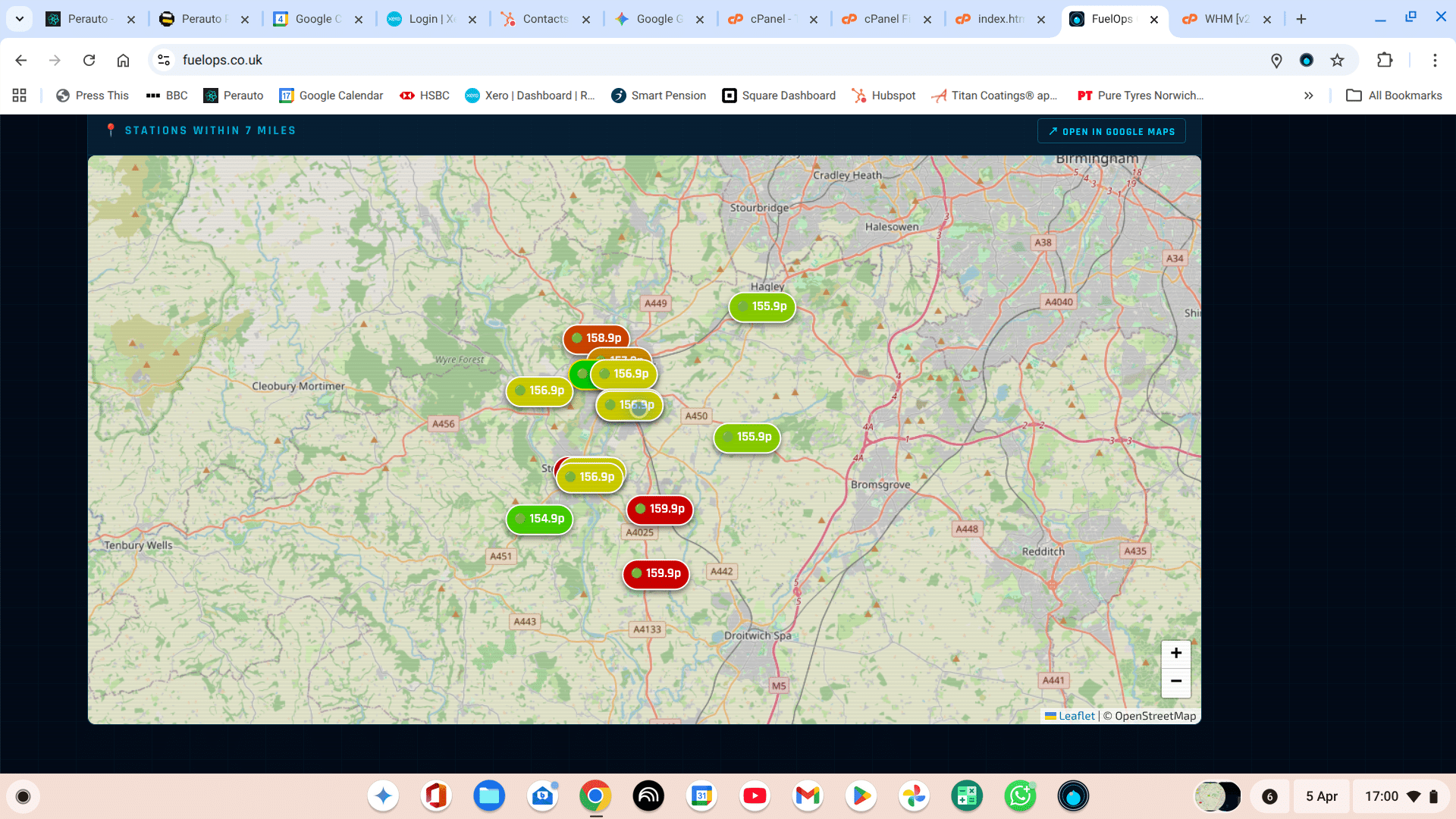
This is exactly why we developed FuelOps.
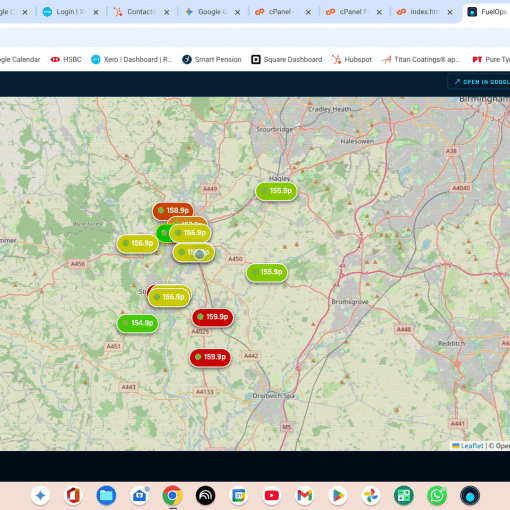
Instead of just showing you a map of prices, FuelOps looks at what you drive and where you travel on a regular basis. It then uses AI to tell you exactly where the best place to refuel is for your specific routine.
- It’s Completely Free: No hidden subscriptions or premium tiers.
- Lightning Fast: Built as a Progressive Web App (PWA), it is incredibly lightweight. You can use it directly in your browser or install it to your phone like a native app without eating up your storage.
- Ready to start saving? Visit FuelOps.co.uk and click the flashing blue button to install it today. It saves you money every single time you fill up, and over the course of a year, those savings seriously add up.
2. Gamify Your Drive and Master the ‘Smooth’ Approach
The way you use the pedals—and your state of mind behind the wheel—has the single biggest impact on your vehicle’s fuel economy. Aggressive acceleration and heavy braking burn through petrol and diesel at an alarming rate.
- Set a Record: Treat your commute like a game and focus on trying to set a new personal record for fuel economy. Making it a challenge is a fun way to subconsciously train yourself into better driving habits.
- Curate Your Playlist: Play music that calms you down. A relaxed driver is naturally a smoother driver. Fast, aggressive music often translates to a heavier foot on the accelerator.
- Ignore the Idiots: Don’t let aggressive drivers dictate your speed or temperament. If someone is tailgating or driving recklessly, ignore them and let them pass. They are just burning their own expensive fuel—don’t let them make you burn yours.
- Anticipate the Road: Look well ahead. If you see traffic lights turning red, ease off the accelerator early rather than rushing up and hitting the brakes.
- Stay in Gear: When you take your foot off the accelerator while the car is still in gear, modern engines cut the fuel supply almost entirely. Coasting in neutral actually forces the engine to burn fuel just to idle.
3. Ask Yourself: Do You Really Need the Car?
Before you even grab your keys, take a moment to assess the journey. For short trips—like popping to the local shop or a nearby school run—do you actually need to drive?
Choosing to walk or ride a bike for these brief journeys is not only completely free and zero-emissions, but it also provides excellent, stress-free exercise. Cold engines burn significantly more fuel on short trips because they don’t have time to reach their optimal operating temperature, so leaving the car on the drive for these errands yields massive savings.
4. Be Savvy with Maintenance and Upkeep
A poorly maintained car is a thirsty car. Taking a smarter approach to how you fix, service, and clean your vehicle can save you hundreds of pounds a year.
- Think Long-Term with Tyres: It is tempting to buy the absolute cheapest budget tyres available, but premium tyres are almost always a better long-term investment. They typically last thousands of miles longer and offer much lower rolling resistance, meaning your engine works less and burns less fuel. Also, check your pressures monthly; under-inflated tyres can reduce fuel economy by up to 5%.
- Source Your Own Parts: If you are handy with a spanner or have a willing mechanic, buy your own replacement parts on sites like Autodoc. You can often source OEM-quality components for a fraction of the price a garage will charge you with their markup applied.
- Support Local Independents: When you do need professional help, avoid the big national chain garages. Local, independent mechanics usually offer much lower hourly labour rates, are more likely to give you an honest assessment, and you’ll be putting money back into your local community.
- Wash It Yourself: Skip the £10-£15 automated car washes or local hand-wash stations. Grab a bucket, a sponge, and some car shampoo, and wash your car yourself at home. It costs pennies and doubles as a bit of light exercise.
5. Shed Excess Weight and Drag
Cars are engineered to cut through the air efficiently, but we often ruin their aerodynamics and power-to-weight ratio with unnecessary clutter.
- Ditch the Roof Box: An empty roof rack adds up to 16% more aerodynamic drag at 75mph, and a roof box adds a staggering 39%. If you aren’t using them, take them off.
- Empty the Boot: Carrying around unnecessary weight directly impacts your miles per gallon (MPG). Clear out the golf clubs, heavy tools, or junk that you don’t need for your daily drive.
- Windows vs. Air Con: At lower speeds around town, it is more fuel-efficient to open a window. However, once you hit higher speeds (over 40mph), the aerodynamic drag caused by open windows burns more fuel than simply turning on the air conditioning.
It is estimated that your fuel consumption increases by 2% for every additional 50kg of weight. That includes you and your passengers, maybe it’s time to start that diet you’ve been thinking about!
6. Stop Idling
If your car is running but not moving, you are getting zero miles to the gallon.
If you are stuck in gridlock, waiting at a level crossing, or sitting outside the school gates, switch your engine off if you expect to be stationary for more than a minute. Many modern cars have automatic stop-start technology for this exact reason—make sure yours is turned on. It saves fuel and drastically reduces harmful emissions in your local community.
The Bottom Line
Reducing your motoring costs doesn’t require giving up your freedom. By taking a more mindful approach to your driving, reconsidering those hyper-local trips, being smart about maintenance, and letting tools like FuelOps handle your refuelling strategy, you can insulate yourself against the shock of high prices and enjoy far cheaper motoring.